


Understanding the psychology of players in casino environments Insights from Plinko
Understanding the psychology of players in casino environments Insights from Plinko
The Allure of Casino Environments
The psychological attraction of casinos stems from their design and ambiance, which are meticulously crafted to entice players. From vibrant colors to strategic lighting, every aspect of a casino’s layout is intended to create an exhilarating atmosphere. Players often feel a rush of excitement as they navigate these environments, drawn by the sounds of coins and the flashing lights of slot machines. This sensory overload is a powerful psychological driver, keeping players engaged and prompting them to explore further. If you’re interested in trying out the game for yourself, you can https://plinko-app.com.ng/en-ng/ easily locate various platforms to download Plinko APK online.

The thrill of uncertainty plays a significant role in the casino experience. Every spin of a slot machine or drop of a Plinko ball introduces an element of chance that keeps players on the edge of their seats. This uncertainty can trigger a release of dopamine, the brain’s reward chemical, creating a cycle of excitement and desire to play more. Players become invested in the outcomes, which can blur the lines between entertainment and compulsion, making it crucial for them to maintain awareness of their gaming habits.
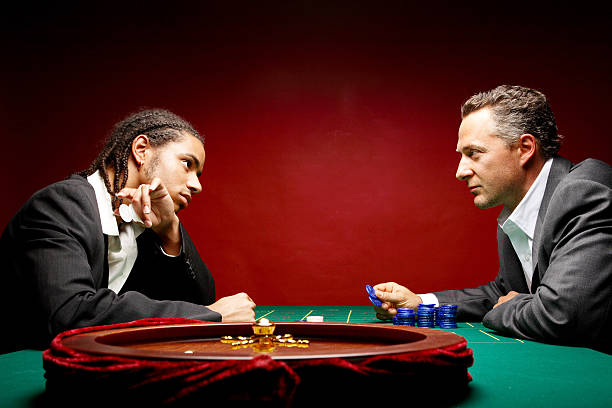
Moreover, the social aspect of casinos cannot be overlooked. Many players are drawn to the community and camaraderie that emerges in gaming spaces. Whether through interactions at tables or shared experiences of wins and losses, this social interaction enhances the overall enjoyment of the gambling experience. As players cheer for one another, they often feel a sense of belonging that encourages them to return to the casino environment repeatedly.
Players’ Decision-Making Processes
In a casino setting, players’ decision-making processes are influenced by a variety of psychological factors. One significant aspect is the concept of loss aversion, where individuals tend to prefer avoiding losses over acquiring equivalent gains. In practical terms, this means that players may continue to gamble, hoping to recover previous losses, even when they know their chances of winning are slim. This behavior can lead to extended gaming sessions and potential gambling addiction, making it essential for players to recognize when to step back.
Another psychological component is the impact of ‘hot’ and ‘cold’ streaks on players’ decisions. When players experience a winning streak, they often feel invincible, making riskier bets and increasing their investment in the game. Conversely, a losing streak can lead to frustration and irrational decisions as players try to chase their losses. Recognizing these patterns is critical for players to maintain control and enjoy the gambling experience responsibly.
Furthermore, the concept of “illusion of control” plays a significant role in gambling behaviors. Many players believe they can influence the outcome of games, particularly in skill-based games like Plinko. This belief can lead to an overestimation of their chances of winning, encouraging further play. Understanding these psychological traps can help players make more informed decisions, enhancing their gaming experiences while minimizing the risk of developing harmful gambling habits.
The Role of Game Design in Player Engagement
Game design significantly influences player engagement in casino environments. Games like Plinko are designed to be visually appealing and easy to understand, drawing in new players while keeping experienced ones captivated. The straightforward mechanics of selecting a bet and dropping a ball create an inviting experience. Additionally, incorporating vibrant graphics and engaging animations can heighten the overall excitement, encouraging players to interact for longer periods.
Incorporating elements of gamification further enhances engagement by introducing rewards, challenges, and achievements. Players are often motivated by the prospect of winning multipliers or bonuses, which can create a compelling reason to continue playing. The thrill of anticipating a big win can lead to increased gameplay, fostering a cycle of excitement that keeps players returning. This design strategy not only captivates players but also plays a significant role in shaping their psychological responses to the game.
Finally, the role of feedback in game design cannot be underestimated. Instant feedback on bets and outcomes reinforces player actions, creating a loop of cause and effect that keeps the excitement alive. Whether it’s the sound of coins falling or the visual celebration of a win, this feedback serves as a powerful motivator for continued play, further immersing players in the casino experience and shaping their emotional connections to the games they enjoy.
The Influence of External Factors
External factors, such as social influences and environmental settings, significantly impact player psychology in casino environments. Players often base their gambling decisions on the behaviors of others around them. For instance, witnessing someone else win can create a sense of hope and excitement, prompting players to join in and try their luck. Conversely, seeing others experience losses may induce caution and lead some players to reconsider their decisions, highlighting the dynamic nature of the casino atmosphere.
Additionally, promotions and marketing strategies employed by casinos can influence player behavior. Limited-time offers and enticing jackpot amounts can create a sense of urgency, compelling players to act quickly and engage with games like Plinko. These promotional tactics tap into the psychology of scarcity, making players feel that they must seize opportunities before they vanish, often leading to impulsive gaming decisions.
Furthermore, the time of day and overall mood can also affect gambling behavior. Players may feel more adventurous and willing to take risks during peak hours when the casino is bustling, compared to quieter times when they might be more cautious. Understanding these external factors can help players navigate their own emotions and interactions while gambling, allowing for a more balanced and enjoyable experience.
Exploring Responsible Gaming Practices
As players engage with games like Plinko in casino environments, it is crucial to adopt responsible gaming practices. Awareness of the psychological factors at play can empower players to make informed choices and enjoy their gaming experience without the risk of falling into problematic behavior. Setting limits on time and spending is a fundamental strategy that can help players maintain control over their gaming activities.
Educating oneself about the odds and mechanics of games is another essential aspect of responsible gaming. By understanding the probabilities and house edge associated with different games, players can cultivate realistic expectations and reduce the likelihood of chasing losses. This knowledge enables players to appreciate the entertainment value of gambling rather than viewing it solely as a pathway to financial gain.
Fostering a healthy mindset toward gambling is also vital. Players should approach gaming as a form of entertainment rather than a means to solve financial issues. Recognizing the signs of compulsive gambling and seeking help if needed can make a significant difference. By prioritizing personal well-being, players can enjoy the thrill of casino environments while safeguarding their mental and emotional health.